|
Here are some key highlights
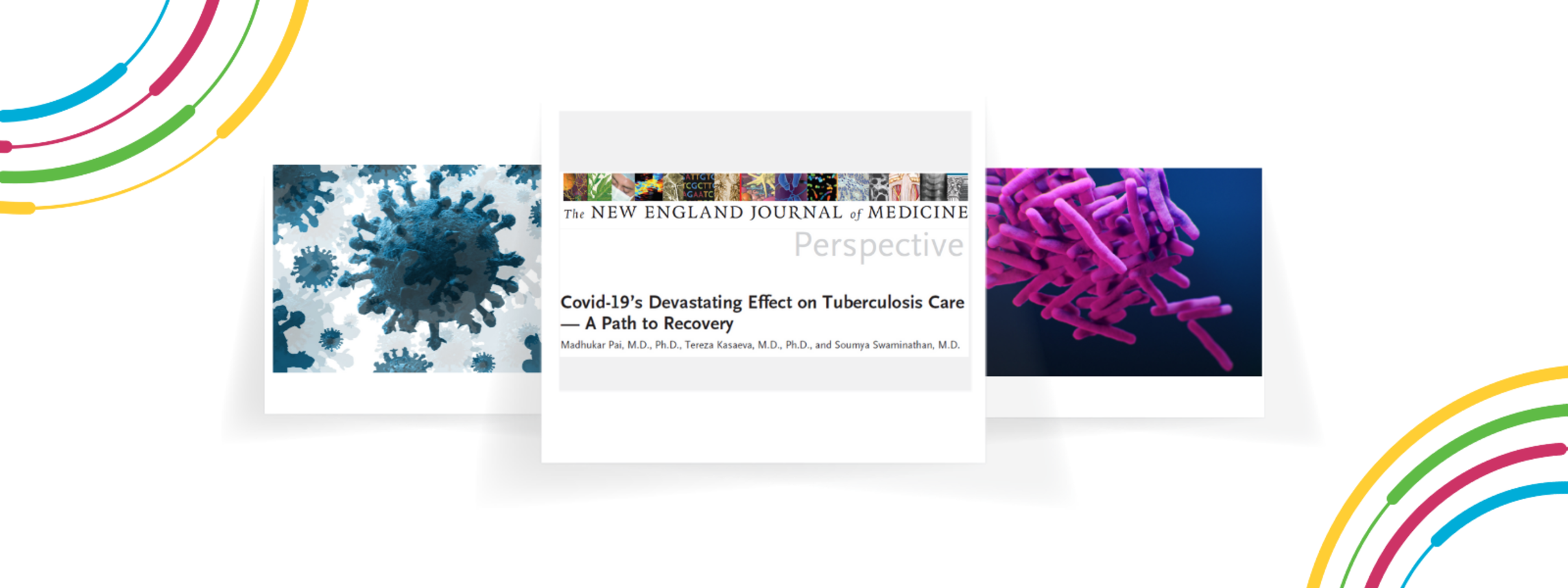
How has COVID-19 impacted TB care?
- Vaccine inequity has resulted in newer variants of SARS-CoV-2 (such as omicron) that particularly affect countries with low vaccine coverage and high rates of poverty and tuberculosis.
- Nearly 1.5 million tuberculosis deaths worldwide were reported in 2020, representing the first year-over-year increase in tuberculosis deaths since 2005.
- Other negative effects in TB during 2020 include an 18% decrease in TB notification, 15% reduction in the number of people treated for drug-resistant tuberculosis, a 21% decrease in people receiving preventive treatment for tuberculosis infection, and a decrease (from $5.8 billion to $5.3 billion) in global tuberculosis spending between 2019 and 2020.
- TB transmission could be increased in the coming years due to the many missed people with TB during the pandemic. Similarly, The exacerbations in the social determinants that fuel the TB epidemic (extreme poverty and malnutrition, for example) could be important drivers in the coming years.
How can TB recover from the devastating effect of COVID-19?
- End the Covid-19 pandemic quickly. People working in the TB field should support the WHO plan to vaccinate 70% of all countries’ populations by mid-2022.
- Highlight the worsening tuberculosis epidemic. Investments in digital data systems, connected diagnostics, and digital treatment-support tools could make tuberculosis data more visible and accessible.
- Improve case detection. Targeted active-case–finding initiatives, guided by precision public health (i.e., predictive analytics and mapping of hotspots), could help identify people with undiagnosed tuberculosis.
- Leverage COVID-19 innovations for TB. Because of the need to provide medical care during lockdowns, substantial advances have been made in digital health, remote service provision, ultra-portable digital x-ray systems with artificial-intelligence-based reading software, use of digital technologies for promoting medication adherence, and use of e-pharmacies in combination with home delivery of medicines. These systems could be leveraged for tuberculosis on a large scale, including scale-up of preventive therapy for tuberculosis.
- Long term strategies include multisectoral collaborations. increasing investment in the development of new tuberculosis tools, and including TB in the pandemic preparedness and response agenda.
|