
World Neglected Tropical Diseases Day
World Neglected Tropical Diseases Day: Unite.Act.Eliminate NTDs!
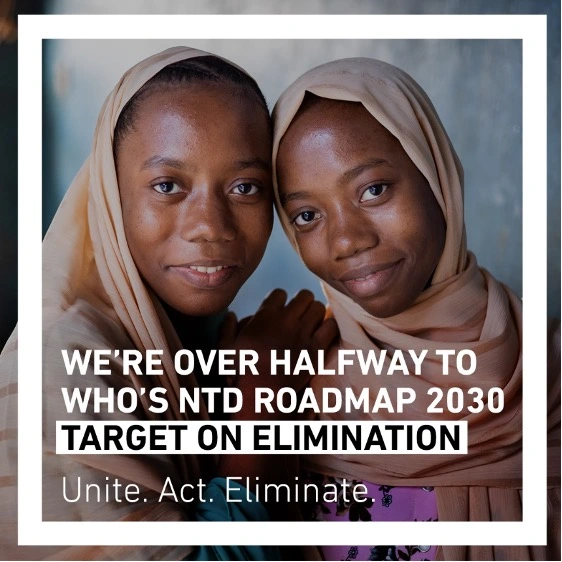
World Neglected Tropical Diseases Day 2025 will be observed on Thursday, January 30, 2025. Neglected tropical diseases (NTDs) encompass a growing list of infections that primarily affect tropical regions but receive less attention compared to the "big three" diseases: malaria, tuberculosis (TB), and HIV/AIDS. This day was established to raise awareness about the devastating impact of Neglected Tropical Diseases (NTDs) on the world’s poorest populations. It also serves as an opportunity to mobilize support for the growing momentum aimed at controlling, eliminating, and eradicating these diseases. This year's campaign centres around three main themes: Unite, Act, and Eliminate. The purpose of this campaign is to gather the global NTD community and contribute to achieving our collective goal (Unite), foster country commitment, resources, technical guidance, solidarity and coordination (Act) and eventually end NTDs by delivering treatment, reducing transmission, managing disability and combating stigma (Eliminate).
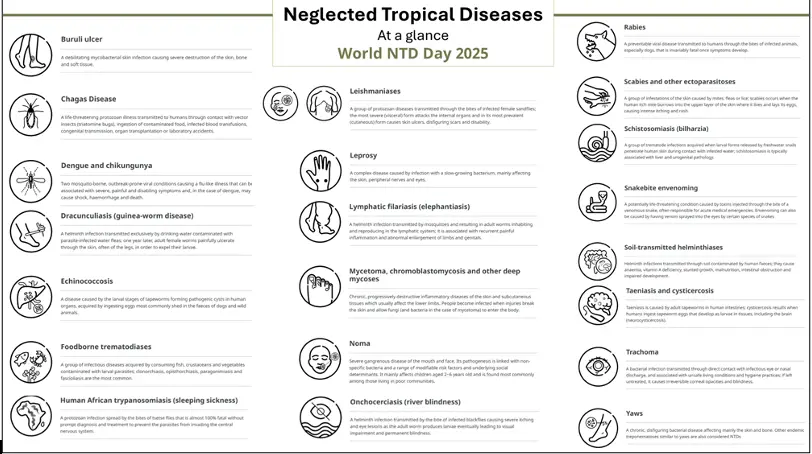
Neglected Tropical Diseases (NTDs) can be effectively controlled. However, global health communities continue to focus primarily on the "big three" diseases: HIV/AIDS, tuberculosis, and malaria, even though addressing NTDs can significantly reduce the burden and outcomes associated with these major diseases. Similar to the “Big Three”, NTDs disproportionately affect vulnerable populations, including women, and children, particularly in low- and middle-income countries (LMICs). These diseases exacerbate and perpetuate poverty, often persisting in communities with limited access to adequate sanitation and medical care, where people are in close contact with infectious vectors, domestic animals, and livestock.
There are significant similarities between tuberculosis (TB) and neglected tropical diseases (NTDs), particularly regarding their impact on public health, poverty, and development, as well as the lack of attention they receive due to insufficient political will and funding. In the context of NTDs, joint programs such as the WHO-led End TB and Leprosy Elimination unit (in the WHO Western Pacific Region) can help global health programs alter the course of the TB epidemic, reduce TB-related morbidity and mortality, and achieve the End TB goals along with reducing the burden NTDs such as leprosy.
WHO recommends that NTD interventions be integrated into national systems and services to maintain progress. The NTD road map 2021−2030 aims to transition from vertical disease programs to more integrated, cross-cutting approaches. The focus is on making smarter investments that enhance overall health and well-being by 2030.
As TB community, working with a wide range of care providers let us speak up for the people that are affected by infectious diseases, and join today’s attention to #BeatNTDs.
#UniteActEliminate #WorldNTDDay #BeatNTDs