
Report on the 2023 Virtual Town Hall Meeting
The annual virtual Town Hall meeting provided an opportunity for the TBPPM Community to come together and reflect on achievements in 2023 and outline priorities for knowledge and action in 2024.
The year 2023 saw Universal Health Coverage (UHC), pandemic preparedness and TB being discussed at highest level in the UN. Governments recommitted their political support to Ending TB at the UNHLM and communities are increasingly involved in TB programs. WHO’s latest global report highlighted data from 2022, in which more people with TB were diagnosed than ever before, which is the road to cure and care for all with TB. Considering the countries with the TB notifications, private sector has contributed to closing the gap in the missing millions. Despite TB being back on spot number 1 as infectious disease killer, leaving COVID-19 behind, massive scientific progress is being made and there is a sense of hope to End TB.
The Learning Network build out further knowledge in the year on community-based approaches to engage private providers in TB efforts. The Town Hall featured discussions on patient pathways, the significance of private sector engagement, and the development of data dashboards to monitor and improve accountability. The meeting also highlighted initiatives from different countries: Pakistan, Vietnam, Philippines, Tanzania, India and Nigeria. Active community members were celebrated and thoughts were shared on the network's priorities for 2024, with a focus on sharing knowledge amongst community members, creating knowledge products and further capacity building in engaging the private sector in ending TB.
Introduction
Madhukar Pai, Chair of the PPM Working Group, highlighted the significance of patient pathways and the need for improved access to TB care beyond the notifications by private providers.
A promotional video about PPM implementation in India was introduced by Prachi Shukla from World Health Partners (one of the organizations featured). The three video’s (WHP, Doctors for You and REACH) underscore the need for private sector engagement in the fight against TB, emphasizing the diversity and significance of the private sector in India, and as such different interventions.
Year 23: UNHLM, PPM WG highlights and PPM priorities in 2024
Monica Dias (World Health Organization) provided broader context and the importance of public-private partnerships to ending TB. Monica emphasized the growing recognition of the private sector's role in healthcare, and highlighted the importance of PPM in reaching millions of people who lack access to care. At the UNHLM in September, commitments were made by world leaders to tackle TB, and the role of PPM is part of this 5-year accelerated push. Monica concluded by outlining the stage of the development of PPM data dashboards to monitor and improve accountability, and the plan to update the PPM roadmap in line with current commitments. Monica emphasized the importance of engagement with leaders and champions in implementing the UNHLM through PPM working group initiatives and highlighted plans for a call for new members of the PPM Core Group. The next PPM working group meeting will be held in the middle of the 2024.
Voices from the community
Impact on the implementation of PPM in Pakistan
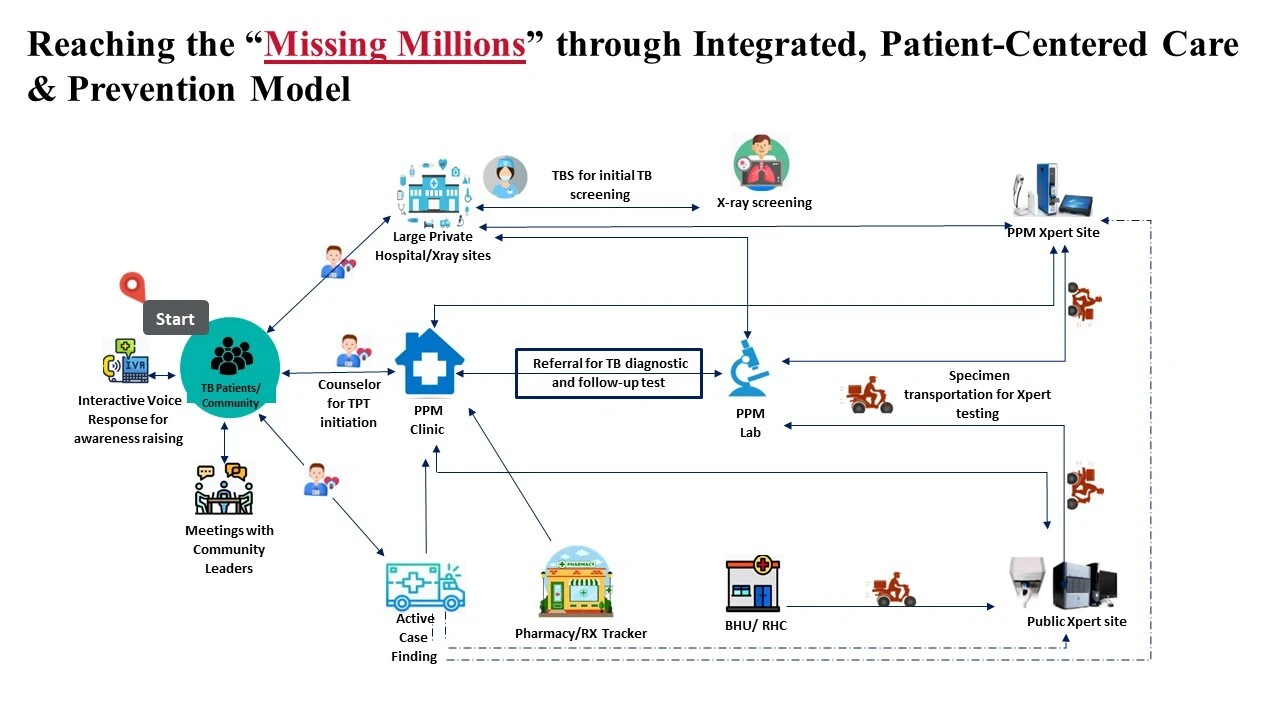
Aamna Rashid shared the transformative impact of the private sector on tuberculosis (TB) case notification in Pakistan, explaining the integrated model of engaging private healthcare providers and the use of a specimen transportation model to bring services closer to communities through the work of Mercy Corps.
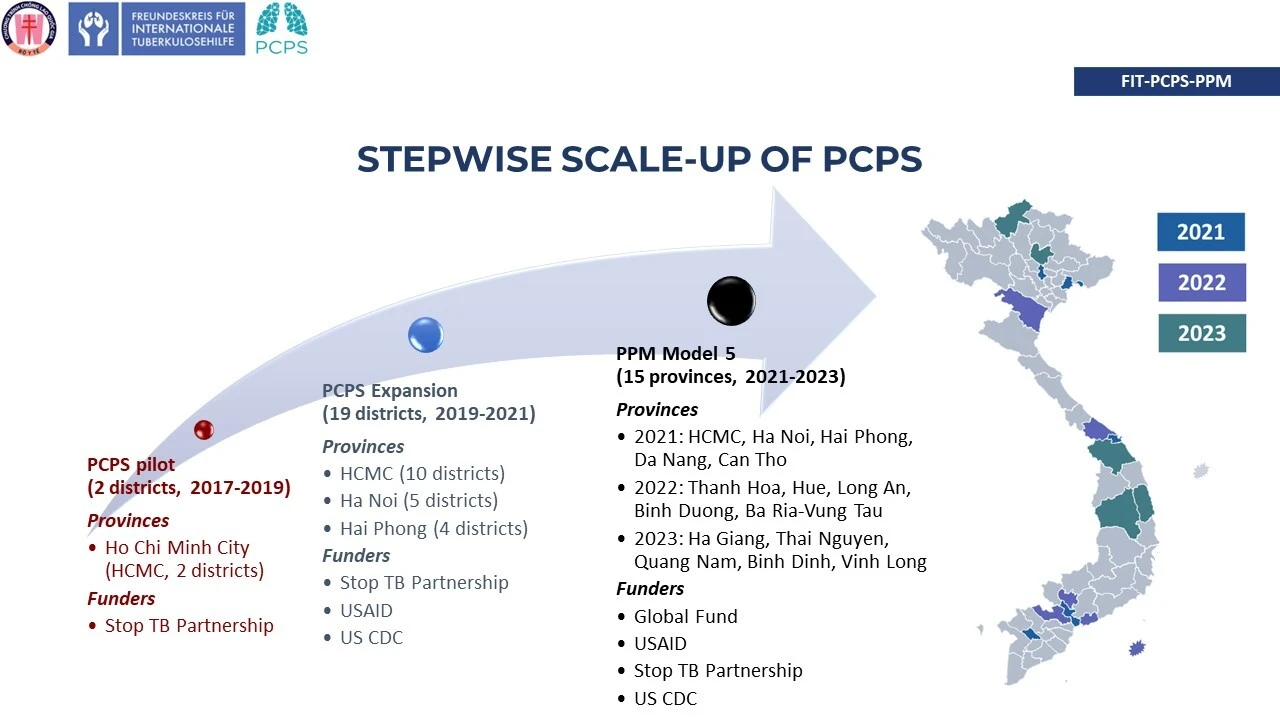
Implementing PPM through engaging pharmacies in VietNam
Huy Huynh discussed the organization's achievements and successful implementation of the TB PPM model, which was expanded to cover around 40% of the population. Vietnam's significant progress in engaging pharmacies shows the pathway from a small initiative scaled to a nationwide effort with political support. Huy showed an image of the TB infographic hung up in pharmacies across the country.
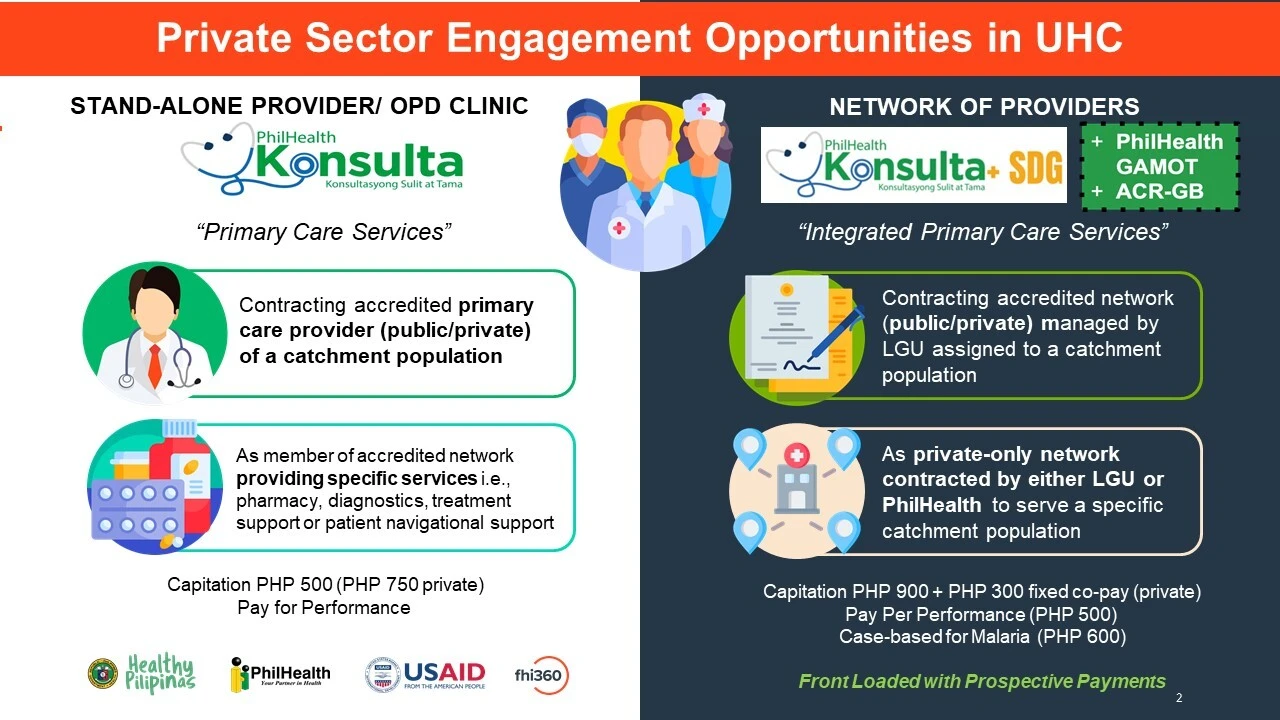
Leading TB integrated care with private providers in the Philippines
Diana Mallari presented on behalf of the Philippine Department of Health TB outlining challenges and strategies related to engaging the private sector in improving access to rapid TB diagnostics in the Philippines. Donor initiated projects such as the Diagnosis Consortium, the RxPass project, and the Physicians Incentive were outlined to increase TB screening and ensure private patients have access to high-quality diagnostics. Lalaine Mortera added that private providers can be accredited to treat, monitor, and notify TB patients and can receive a benefits package from the National Insurance. They highlighted the success of a for-profit diagnostic clinic and ongoing efforts to integrate TB services into primary care through the Konsulta Plus SDG initiative.multi-sectoral engagement. The joint monitoring mission is currently ongoing in Indonesia. The country has shown remarkable leadership in the G20 discussions and raised the profile of TB in political discussions including a strong link to UHC.
Learning: about TB and PPM Nigeria and India
Swathi Krishna, an alumnus of the course, shared her insights from the course and how it has influenced her work in India. She emphasized the importance of sustainable partnerships with the private healthcare sector and the need for cross-learning opportunities. Swathi also talked about their organization's initiatives to combat TB, including community sensitization and engagement and collaboration with local pharmacies.
Stella Makpu from Nigeria also shared their organization's efforts in the TB program, which aims to enhance data quality and service levels in high burden facilities. She mentioned that the program will be evaluated in early 2024. Stella discussed the Committee's plans to engage more with the private sector, particularly in specialized industries like manufacturing and telecoms, emphasizing the need for government support and funding.
Impact on the implementation of PPM in Tanzania
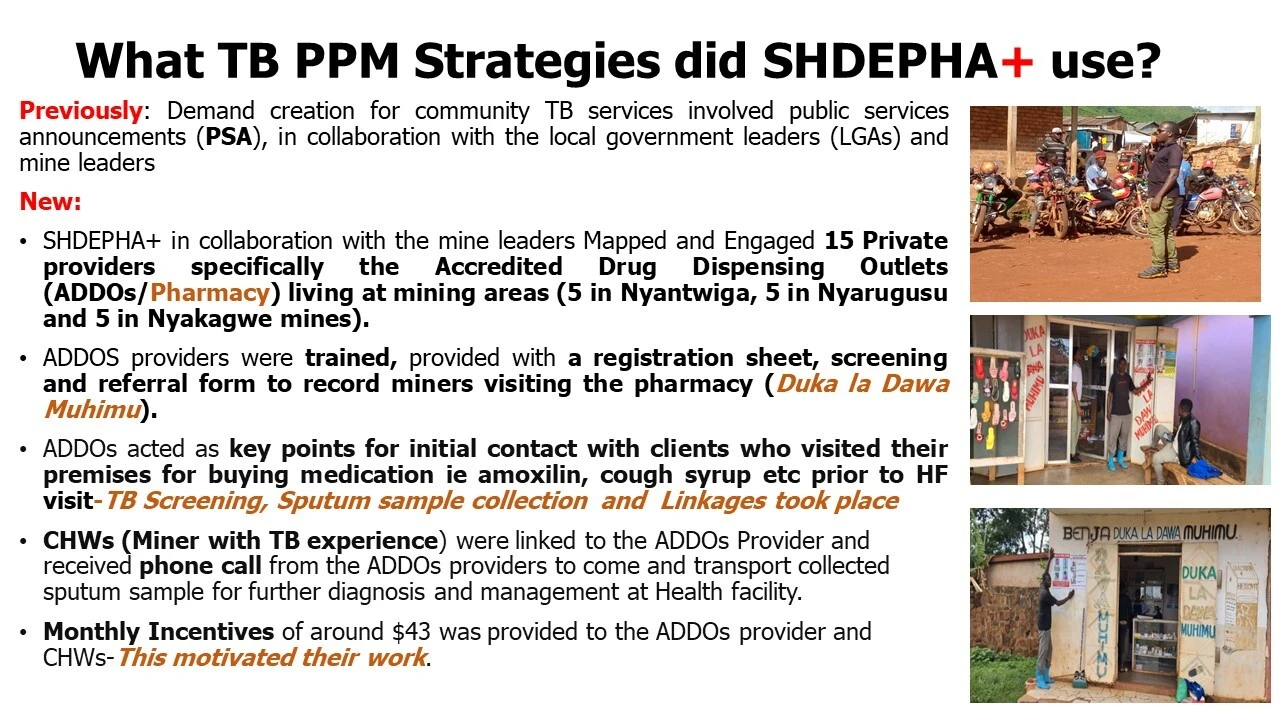
Rabia Abeid from Tanzania shared the work aimed at addressing tuberculosis in mining communities, which involved training local pharmacies and drug dispensers to provide TB services. The program led to increased engagement, improved outcomes, and more people receiving health education and screenings. Rabia emphasized the importance of involving adult providers and enhancing community involvement and collaboration to improve TB care.
2024 Priorities and Learning Network Progress
Through an online discussion board, the participants were asked about success in 2023 and about the priorities for 2024, particularly focusing on engaging the private sector and how the Learning Network can be supporting. Responses included a focus on research, publications, documentation of best practices, and capacity building for the private sector.
As explained in an update on the progress of the TBPPM Learning Network in 2023, the community now has a reach far over 2800 people, with close engagement in multiple events and activities by 400+ members. A variety of knowledge products were put out in 2023, feeding into the knowledge system.
Joel announced the top three active members of 2023 and shared a comprehensive survey for feedback on the learning network's 2023 performance and future plans. He also announced the “Poster-hunt contest”: we are looking for pictures from information material on TB posted in private health facilities or private providers.
Guy Stallworthy closed the meeting by sharing thoughts on the evolution of the network and the challenges it faces. He highlighted the exchanges between implementers as the core of the learning network, and the rapid presentations by various members with country experiences are a good reflection of this purpose. One of the key challenges remains to take innovative projects to scale. Additional new challenges are on how to address preventive therapy at household level engaging private providers, and providing social and financial support to clients in the private sector. In several countries there is a gap between notifying patients in the private sector while not providing the quality treatment and care, and meaningful support to patients– this gap needs to be closed. There are many opportunities, such as social health insurance which will be increasingly relevant in the future. Looking forward to many engaged members who are potential leaders in taking the PPM to the next level.
In the closing, the upcoming forum with TB REACH will provide further details on funding for innovative initiatives. Discussions will be taken forward in 2024.
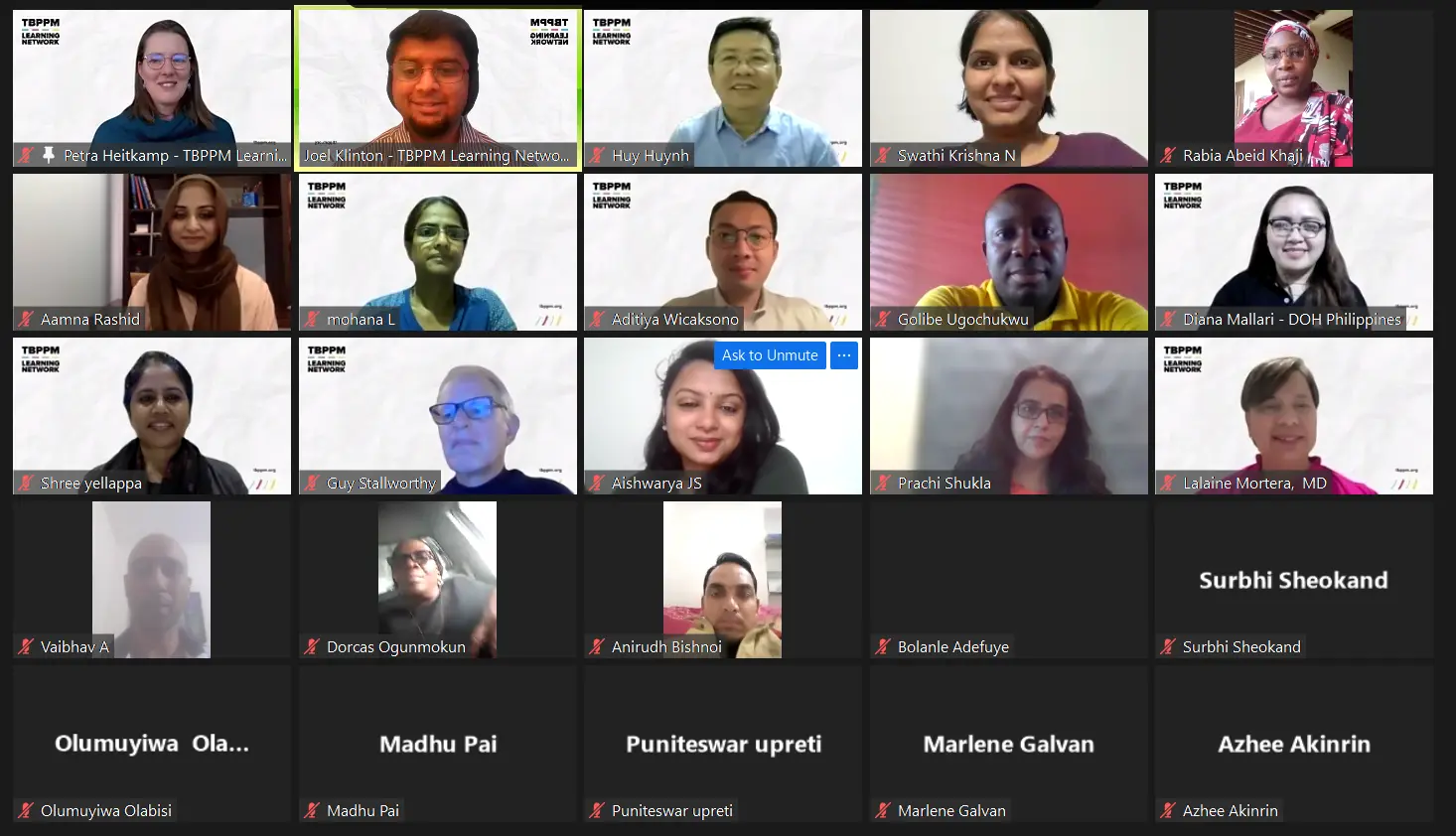
The presentations from the 2023 Townhall meeting are available here